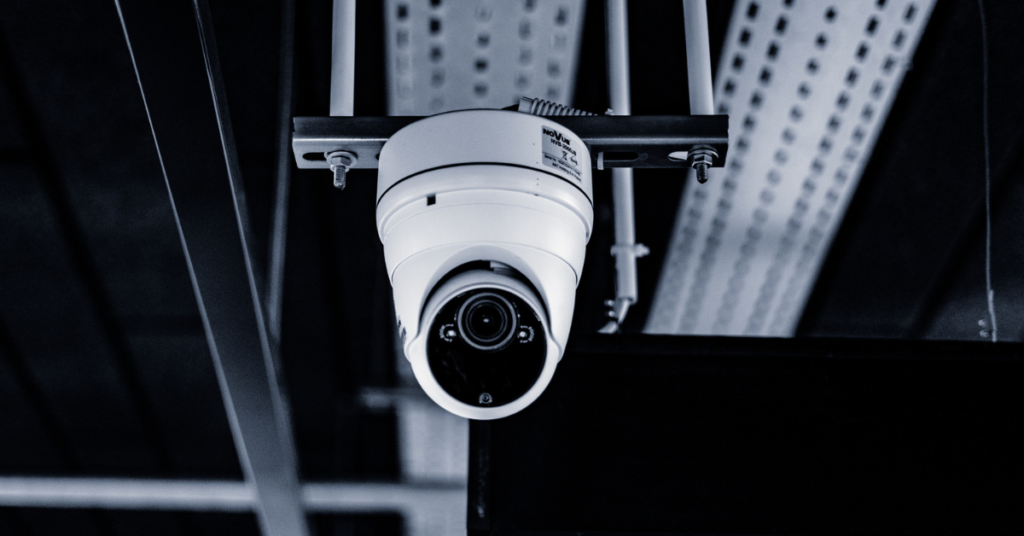
It’s a familiar situation in commercial buildings across the DMV: cameras on the walls, an access panel by the door, a motion alarm nobody monitors, with none of it connected to the rest. The equipment was installed, but the security wasn’t. At Next Generation Security Concepts (NGSC), we’ve seen over and over again how planning, not purchasing, determines whether commercial security system installation truly delivers security.
Start With the Building, Not the Spec Sheet
The first question in any physical security planning conversation shouldn’t be, “Which camera system should we get?” It should be, “What does this property need to accomplish?” Who needs access where? What response does each alarm type require? Where are the coverage gaps? And what does your staff need to manage day to day?
Commercial properties in the DC, MD, and VA region carry their own considerations:
- Government-adjacent tenants with strict access requirements
- Multi-tenant Class A buildings with mixed staffing patterns
- Property management companies juggling multiple sites
These realities shape what integration looks like long before a single product is chosen. That’s why the walkthrough is the essential first step in commercial security system installation, i.e., it’s not a courtesy call, but the foundation of the entire installation scope. An integrator who prices a job without walking the property is selling equipment, not a solution.
Why Buying Products Before Planning Integration Creates Problems
Video surveillance and security camera installation are among the most common entry points for business buyers, but cameras alone aren’t a security posture. The camera captures the event; integrated security systems respond to it.
Here’s what happens when components are procured in their own individual silos:
- Cameras are installed with no video management layer.
- Access control systems have no connection to alarm systems.
- Alarm monitoring can’t cross-reference camera footage.
The result? Each piece works in isolation, but the system can’t respond in a coordinated way.
Access Control as the Planning Foundation
If there’s one logical anchor for any commercial security plan, it’s access control installation. Access control defines the perimeter. Everything else, from cameras to alarms to monitoring, is designed around who can go where and what happens when those rules are violated.
The main decision points for access control installation include:
- Keycard and fob systems for staff
- Visitor management for contractors and vendors
- Remote-credential management for multisite or lean-staffed operations.
Cloud-based access control platforms deserve an honorable mention here, too. For businesses with multiple locations across a wide region (like the DMV) the ability to manage credentials from anywhere there’s a Wi-Fi or cell connection is a major operational advantage.
There’s also a compliance angle. Certain commercial tenants, especially those in or adjacent to government facilities, operate under access control requirements that affect how a system must be designed and documented. Getting access control installation right from the start means those requirements must be built into the plan, not bolted on later.
Alarm Monitoring and Response in a Commercial Setting
Commercial alarm monitoring is only as good as the response protocol behind it. App-based self-monitoring may work for a small storefront, but for a business that operates after hours, has multiple entry points, or carries liability for its premises, professional central station monitoring is not optional.
Why? Integration is what makes monitoring meaningful. Monitored alarms that can pull camera footage and cross-reference access logs give a central station operator context, not just a signal, which determines how a response is dispatched.
There’s a life safety tie-in as well. Commercial properties are subject to state and local fire and life safety codes. A security integrator who also handles life safety systems, including fire and emergency communication, reduces the coordination burden on the facility manager and ensures these systems are designed to work together from day one.
What Full-Service Integration Looks Like in Practice
Picture an unauthorized access attempt at a rear entry after hours. The access control system logs a failed credential event. The camera covering that door captures the individual. The alarm monitoring platform receives an alert, correlates the camera feed, and initiates a response protocol. That’s what integrated security systems deliver. Purchased separately, each of those components might create a report; planned together, they create a response.
This is the standard NGSC brings to every commercial security system installation: systems where interconnected layers are there from the start, baked into the design. More complex environments, including healthcare facilities and senior living communities, apply the same integration logic with additional regulatory and operational requirements layered on top.
Plan the System, Not the Shopping List
The difference between a collection of devices and a working security system comes down to one thing: whether integration was planned before the first product was even selected.
The goal of commercial security system installation is not a collection of installed devices: it’s a coordinated system that can respond to events in real time.
If your business is evaluating a new system or upgrading an existing one in the DC, MD, or VA region, get started with a conversation with NGSC. Contact us today to schedule your free security assessment.