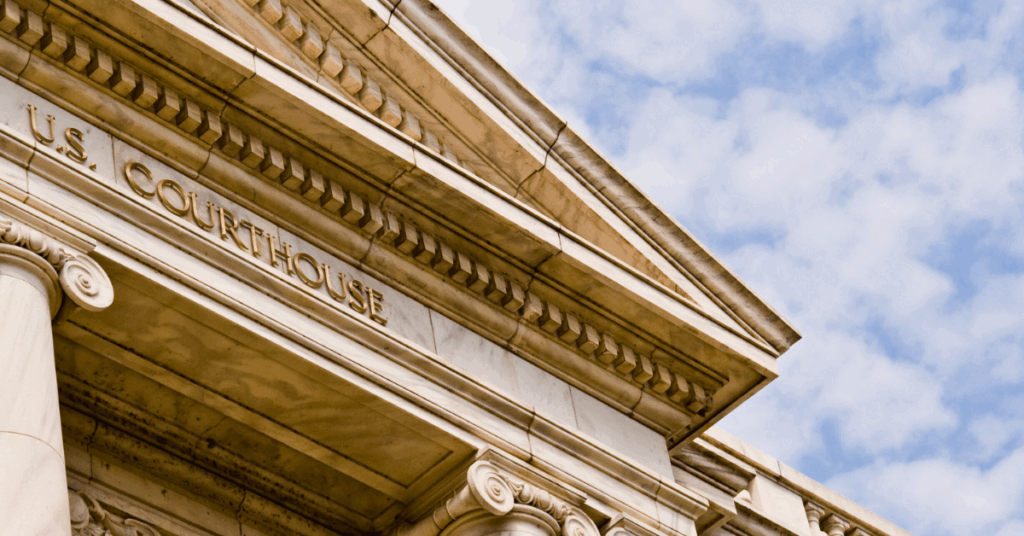
There are all sorts of ways a determined intruder can gain access to and harm an organization, be it public or private. But government buildings are uniquely challenged in this regard, due to the sensitive information they hold, the high-profile individuals they accommodate, and the public access they often require. As such, these facilities continue to be prime targets for unauthorized entry, data breaches, and other security threats, making robust and layered security measures essential. What this means is, modern government security systems must integrate physical, electronic, and digital components to ensure comprehensive protection and swift responses to potential risks. Following are the critical security systems that every government building must have in place.
1. Access Control Systems
Gaining unauthorized access to a facility can be as simple as walking in—unchallenged and unmonitored—through the front door. Thus, controlling who can enter and move within a government building remains the foundation of a strong security plan. Advanced building security access control systems—such as electronic badge readers, biometric scanners (fingerprint or facial recognition), and keycard systems—ensure that only authorized personnel can access sensitive areas. These government security systems not only restrict entry but also log access events, allowing security teams to monitor entry points and investigate suspicious activities. By implementing multi-factor authentication and tiered access levels, a government facility can go a long way toward minimizing the risk of both internal and external security breaches.
2. Video Surveillance (CCTV)
Good luck finding a public or private facility anywhere in the developed world where you’re not under some kind of video surveillance. It has become indispensable for both intruder deterrence and real-time monitoring of potential intruders. High-definition CCTV cameras should be placed throughout both interior and exterior areas, including entrances, exits, parking lots, hallways, and restricted zones.
Modern surveillance systems can also be enhanced with video analytics, such as motion detection, facial recognition, and real-time alerts. These features allow security teams to quickly identify unusual activities or potential threats. Additionally, integrating surveillance with centralized monitoring software enables efficient data management and fast incident response.
3. Intrusion Detection Systems
Intrusion detection systems (IDS) are designed to detect and alert security personnel to unauthorized access attempts. These types of government security systems include sensors on doors, windows, and perimeter fencing that will trigger alarms automatically if breached. When paired with surveillance and building security access control systems, IDS creates a powerful layer of defense that significantly enhances overall security for any government building. Add in automated notifications—sent via text, email, or connected monitoring software—and you’ll ensure that security teams are immediately aware of any potential intrusions.
4. Visitor Management Systems
Since so many government buildings allow public visitors—think of the White House, the U.S. Capitol, the National Archives—managing and monitoring guest access is critical. A digital visitor management system (VMS) streamlines check-ins, records visitor data, and issues temporary access badges with built-in restrictions. These kinds of government building security systems improve overall security by keeping an accurate, time-stamped log of everyone entering the facility. Some VMS platforms can also integrate with video surveillance and access control for a truly seamless security approach.
5. Emergency Communication Systems
In an emergency, every second matters. As such, a reliable emergency communication system is essential for government building security systems—alerting personnel and visitors of immediate threats, such as natural disasters, security breaches, or active shooter situations. Mass notification systems can deliver alerts through multiple channels—PA announcements, text messages, and email notifications—ensuring that everyone receives critical information quickly. Integrating these systems with lockdown protocols allows for fast, automated building security responses during critical incidents.
6. Cybersecurity Infrastructure
Physical security must, of course, go hand-in-hand with cybersecurity. Government buildings are particularly high-value targets for cyberattacks, because they can compromise sensitive data and disrupt essential governmental operations. Key cybersecurity measures in government security systems include robust firewalls, network monitoring, and data encryption. Protecting server rooms with physical access controls and ensuring secure communication channels further reduce vulnerabilities. Regular security audits, software updates, and employee training are also vital to maintaining a strong cyber defense.
Get Resilient, Stay Resilient
Government buildings—due to the sensitive information they hold, the high-profile individuals they accommodate, and the public access they often require—are and will continue to be prime targets for unauthorized entry. A truly secure government building requires a layered security strategy that combines advanced physical controls, continuous surveillance, rapid emergency response systems, and a robust cybersecurity infrastructure. And with ever-evolving threat profiles, it’s critical for government agencies to regularly assess and upgrade their security technologies to remain resilient. By investing in modern, integrated security systems, government facilities can better protect their people, property, and sensitive information against both physical and digital threats.
At NGSC, we have decades of experience in wide-ranging, demanding security environments of every kind. Find out how we can make your organization more secure.